In ancient Hebrew the language was written without vowels in the script itself and the pronunciation of words was handed down in oral tradition. I (this is my opinion) look at it this way. For instance we know that you put ketchup on hamburgers and you put mayo on a turkey club or horseradish on roast beef or we put a oil and vinegar type dressing on a salad. We know on instinct what dressings go with certain which foods. I think ancient people had a sense what vowel sounds went with what consonantal combinations in the same sort of way, it was sort of intuitive. When the Greeks first got the writing script or writing system from the Phoenicians, and so the Greeks put vowels in the script itself. The first use of diacritics to indicate vowels in a Semitic language was created in Western Syriac Aramaic in the 5th century ce. Then in starting in the 6th century the Hebrew scribes adopted for the Masoretic text the use of diacritics to indicate vowels and they were called nikud נקוד or nikudot נקודות in the plural. It took a couple centuries for full adoption in all texts but by the 8th century it was universal in the Masoretic text. Although it’s first known to the world today appearance was in the Aleppo Codex in 920 ce. It is well known that earlier non preserved Torah and Tanakh Codices from approximately the 7th or 8th century ce had the nikudot to denote vowel sounds. This was started by a group of scribes in Tiberias, hence the Tiberian vocalization.
What does nikud mean? Today and in medieval Hebrew it means dot or dots. The word itself nikud in ancient times was both a small cookie or desert or even cookie or cake crumbs or bread crumbs. This is the ancient origin of the word but in modern terms it means dot or dots in the plural. In modern Israel they are not used much because the word pronunciations are learned by hearing and speaking. In Israel Hebrew in more often written in the Ktiv male כתיב מלא (full spelling) system which does not use nikud but more consonants to hint at them. The ktiv chaser כתיב חסר (reduced spelling) script does not do this and uses the nikud for all vowels sounds. In every day life in Israel the Ktiv male is used most often. The Ktiv chaser is used in more complex books and in Tanakh (The Bible) or prayer books or liturgical writings. Here below is 1 Kings 14:3
וְלָקַ֣חַתְּ בְּ֠יָדֵךְ עֲשָׂרָ֨ה לֶ֧חֶם וְנִקֻּדִ֛ים וּבַקְבֻּ֥ק דְּבַ֖שׁ וּבָ֣את אֵלָ֑יו הוּא יַגִּ֣יד לָ֔ךְ מַה־יִּֽהְיֶ֖ה לַנָּֽעַר:
“And you shall take by your hand ten loaves of bread and biscuits (or small cakes) and a flask of sweet syrup (maybe honey) and come to him him. He will tell you what will become of the child”.
So the word used for small cakes/biscuits is nikudim נִקֻּדִ֛ים nikud in the masculine plural. In modern Hebrew nikud is pluralized in the feminine (nekudot). You see the point of the words origin.
First I want to look at pre-nukud or diacritic vocalization in the history of Hebrew linguistics prior the the arrival of the Tiberian Masoretic text.
Pre Biblical Hebrew- 1500 bce-1000 bce, the Moses and Joshua era. This was written first in Proto-Sinaitic script in the desert and after the conquest of Canaan they adopted the very similar Pro-Canaanite script. The vocalization from this period is unknown and lost although it is likely not super far from what we have today with the consonants being consistent and the obvious fact that A, E, O, I and U sounding vowels are uniform in all languages, the only question is more exactly how it was nuanced out in precise vocalization.
Early or Classical Biblical Hebrew or L’shon hamikra לְשׁוֹן הַמִּקְרָא (The language of scripture) 1000-587 bce. This is King David through the Babylonian exile and this adopted the Phoenician script aka Paleo Hebrew. All the same same things on vocalization can be said as with Pre-Biblical Hebrew.
Late Biblical Hebrew- 538 bce-170 bce. This adopted the Ktav Ashuri (Script of Assyrian Aramaic) which is still used in modern Hebrew today in Israel today. The vocalization is almost assuredly the same as the Tiberian vocalization because other than Chaldean or Iraqi Aramaic where else would they have gotten a vowel system. This also where “Ktiv male” came from like in modern Hebrew where more consonants are used to hint at vowels and that fact is evident in the Dead Sea scrolls.
Proto Rabbinic Hebrew 170 bce- 0 ce, this is the Zugot era in Rabbinic Hebrew.
Mishnaic Hebrew 1-550 ce. This is the early Rabbinic or Talmudic era.
Medieval Hebrew 550-1880 ce. This is where the Masoretic text officially starts and so the Tiberian vocalization as well. It is very likely that the Zugot and Mishnaic period also used something close to the Tiberian vocalization and ktav Ashuri script.
Modern Israeli Hebrew or the Ivrit chadash 1880-Present day עִבְרִית חֲדָשָׁה. This still uses the ktav Ashuri script but vocalization through slang has given it a varied vocalization especially with limited use of nikud in writing.
The nikud first showed up in the Masoretic text which used the Tiberian pronunciation system, which is fairly similar to modern Hebrew except for modern Hebrew lacks the “E” like they or “A” like aim sound. The Tiberian style is very similar to Sefardi style Hebrew also to which modern Hebrew is based. Different traditions pronounce the nikud differently. For instance in Ashkanazi pronunciation the kamatz is pronounced like “O” as in boat and cholam as “oy” like boy, so Moshe (Moses) would sound as Moishe. In Yemenite Hebrew the vowels patach and segol sound as the super short “A” like ash or fat that is similar to the English super short A. So now we will take a look at them and discuss them more after.
The names of the vowels are mostly taken from the form and action of the mouth in producing the various sounds, as פַּ֫תַח opening; צֵ֫רֵי a wide parting (of the mouth); חִ֫ירֶק (also חִרֶק) narrow opening; ח֫וֹלֶם closing, according to others fullness, i.e. of the mouth (also מְלֹא פוּם fullness of the mouth). קָ֫מֶץ also denotes a slighter, as שׁוּרֶק and קִבּוּץ
(disregard any consonant above the vowel if there is one)
Kamatz/קָמַץ

Modern Israeli: this is pronounced as “A” as in Father.
Masoretic text: this is pronounced a bit stronger sort like “aw” although this is archaic and disregarded in most readings of the Tanakh (Old Testament).
There is also kamatz katan rule (small kamatz). This only occurs in closed unstressed syllable especially when the consonant has a shva under it like in this word from Deuteronomy 6:7. It looks like “uvshakhbekha” וּבְשָׁכְבְּךָ֖ but is actually pronounced “uvshokhbekha”. This is a very complex grammatical rule and is often overlooked. In Askenazic Hebrew and Yiddish this is pronounced “0” like boat always. In Yemenite this is also like “aw”.
Also this letter is tricky when combined with the letter “yod” י . This is pronounced like “I” as in bike or fine in most common usage Adonai אֲדֹנָי meaning my Lord in the plural possessive (literally my Lords) . In the masculine possessive it usually with a vav following it sounds just as is “A”. This word here banav בניו (his sons), so here the yod is silent with the vav.
Chataf Kamatz/חֲטַף קָמָץ
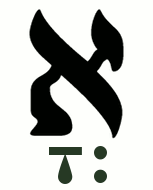
Chataf literally means snatched/kidnapped (taken away) so it’s a short form of Kamatz and is pronounced as “O” as in boat or joke in both Modern Israeli (actual observance questionable) and the Masoretic text.
A couple of differences here with kamatz קמץ and Modern Israeli Hebrew and the Masoretic text’s Tiberian vocalization. So take the word tsaharayim or tsohorayim צָהֳרַיִם meaning noon time.
Why does the the Tiberian or Masoretic vocalize as tsohorayim? The kamatz under the tsade צ is part of the kamatz katan rule and makes the A sound into a O sound. Under the he letter is a chataf kamatz which is also pronounced in Tiberian as a O sound and so hence tsohorayim. Because in Israel the nikudot is not written in the ktiv male most of the time the precise vowel point is forgotten and a more modern pronunciation style is adopted today for the most part. So most people would pronounce this word tsaharayim not tsohorayim.
Patach/פַּתַח This is also pronounced A like father in both modern Israeli and the Masoretic text.

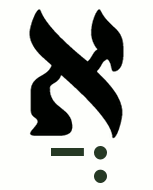
Chataf Patach חטף פתח.
This is pronounced in both modern Israeli and the Masoretic text as “A” like Father.
Both patach and chataf patach combined with the letter “Yod” י it changes it to a “I” as in like sound or bike sound or Island. In this word here kanay (jealous or zealous) קַנַּאי the patach is modified by a yod and is pronounced “I” bike or fine. In Yemenite this is pronounced as the very short “A” ash or hat.
Shva/שְׁוָא
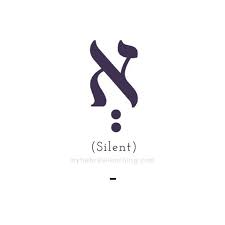
The Shva is silent unless it needs to be pronounced, when pronounced it’s a very very short E sound. Here are rules on its pronunciation.
You can know when it is pronounced by following these simple rules:
- At the beginning of a word: The shva is almost always pronounced.
- The second of two consecutive shvas: If two letters in a row have a shva, the first is silent and the second is pronounced.
- Under a letter with a dot: If a letter with a shva also has a dot in its center (a dagesh), the shva is always pronounced.
- Following a long vowel: If the shva comes immediately after a long vowel, it is usually pronounced.
Segol/סְגוֹל segol sounds like a short “E” as in pet in both modern Israeli Hebrew and the Masoretic text. Segol male (segol combined with a yod י) is pronounced “E” like they or “A’ like “aim” in modern Israeli Hebrew but “E” (actual observance questionable) like “pet” in the Masoretic text. Segol means cluster of grapes or purple. In both the Yemenite and Persian subdialects this is pronounced as the very short “A” like hat or ash, so instead of Elohim it would sound as “Aelohim” (a like fat sound). I am unaware of any difference in Yemenite in segol male.
Segol is illustrated below in three dots.

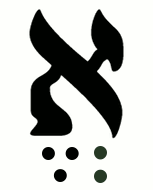
Chataf segol חטף סגול
This is pronounced “E” like “they” or “A” like “aim” in modern Hebrew although most people would likely just say “E” like pet. This sounds as “E” like pet in the Masoretic text. This letter is not ever combined with a yod.
Tsere/צֵירֵי

It is pronounced “E” as in they or “A” as in “aim” always in the Masoretic text and in technical theory in modern Hebrew. However pragmatically they will pronounce it as a short “E” like pet by most people and especially in Tel Aviv. When combined with the letter yod י tsere male is pronounced with the same rules as the standard tsere (actual observance in Israel questionable)
Chirik/חִירִיק

This is pronounced as “EE” as in feet.
This vowel also has a Malei/מלא form which is combined with the letter Yod and is pronounced the same. In the modern Hebrew ktav malei style of writing you see Chirik malei often to indicate a vowel when the nikud are not written.
This Kubutz/קֻבּוּץ which is archaic and mostly found in the Bible and has almost no modern usage. It is pronounced U like lune/moon or june in all dialects.
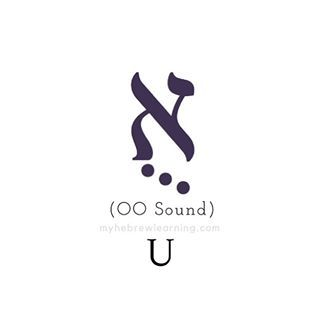
The final three I won’t show pictures because they are so simple.
Cholam Chaser (short) חֹלֶם חסר You see I wrote the word Cholam Chaser, the O vowel in Cholam is that dot (dagesh mark) above the letter Chet.That is Cholam Chaser, a dot above any letter. It is used less out in favor of Cholam Malei/חוֹלָם מָלֵא which is a dot on top of specifically the letter Vav ו a dot on a Vav is Cholam Malei and they are both sound as O like boat.
Shuruk/שׁוּרוּק Those are two Shuruk’s in that word, a Vav ו with a dot (a dagesh mark) to the left side as you see twice in the word. It’s pronounced U like lune, june or moon.
As in English if you mix either Cholam with the letter Yod you get an “oy” like boy and Shuruk or Kubutz with a Yod and you have a “euy” like buoy.
The invention of the nikud changed writing and it’s style and you see this in modern Hebrew when they write without the nikud in the style of ktiv male or the full spelling. This uses more consonants to imply vowels especially yod and vav are used more. This style is not new at all actually as we will see in the Dead Sea scrolls. This is an excerpt from an article by Aaron D. Hornkohl of Cambridge University on the “Dead Sea Scrolls and Tiberian Hebrew”.
Here we have Isaiah 59:7 from the Masoretic text.
רַגְלֵיהֶם֙ לָרַ֣ע יָר֔וּצוּ וִֽימַ֣הֲר֔וּ לִשְׁפֹּ֖ךְ דָּ֣ם נָקִ֑י מַחְשְׁבֹֽתֵיהֶם֙ מַחְשְׁב֣וֹת אָ֔וֶן שֹׁ֥ד וָשֶׁ֖בֶר בִּמְסִלּוֹתָֽם:
so you see the last word bimsilotam בִּמְסִלּוֹתָֽם “in their paths” . Here is how it is written in the Dead Sea scrolls in the same passage. במסלותיהמה same word but a different spelling and likely because they had no vowel points then. This could also indicate a different writing style in general because the pronunciation looks like bimsilotemah but the meaning is the same. I think the lack of vowel points informs this writing style greatly. There is also evidence of differing scribal traditions going at that time. You notice how more simplified and unified the consonantal text becomes once the nikud comes along. Here is another example from Psalms 37:15 below.
חַרְבָּם תָּב֣וֹא בְלִבָּ֑ם וְ֜קַשְּׁתוֹתָ֗ם תִּשָּׁבַֽרְנָה:
This word here v’kashtotam וְ֜קַשְּׁתוֹתָ֗ם “and their bows”. Below is the same word in the Dead Sea scrolls.
V’kashtotehem וקשתותיהם, see the difference even though the word is the same. Here below is Genesis 10:8 in the Masoretic text.
וַיָּ֣חֶל ע֔וֹד שִׁבְעַ֥ת יָמִ֖ים אֲחֵרִ֑ים וַיֹּ֛סֶף שַׁלַּ֥ח אֶת־הַיּוֹנָ֖ה מִן־הַתֵּבָֽה:
In the Dead Sea scrolls the spelling of Yosef without vowels is יוסף with a vav as a cholam male to indicate the O sound but in the Masotectic text it is with vowels יֹּ֛סֶף, see the difference there.
Here is from an article on the scribes of Qumran about Dead Sea scrolls by Emanuel Tov of the University of Jerusalem.
Here below is a spelling contrast:
כוה/כה Koh meaning so, thus or yes on the left is the standard Masoretic text and on the right in the Dead Sea scroll version “כוה”, notice the vav to indicate a O vowel (that is cholam male) as opposed to a nikud or diacritic written to indicate the vowels sound like “כה” in the Masoretic text. there is more here from Tov’s article but this is interestingly on scribal error and the correction of a mistake.
More from the same article.
“If this evidence regarding the added letters in the Qumran scrolls is
as exhaustive as I think it is, it shows preeminently that the
corrections of the types described here were found exclusively in the
texts that for other reasons have been ascribed to the Qumran scribal
practice, with the exception of 4QSapiential Work (4Q185) and
4QapocrJosha (4Q378). The easiest explanation of the procedure
followed is that the scribe copied from a manuscript that contained
words of the type of ארצם, forgot that his preferred form is ארצמה,
then added the he after the ijinal mem of ארצםה as an afterthought,
followed by a space and by the next word. Since the corrections were
made in one direction only, namely towards the extremely full spelling
of the Qumran scribal practice (rather than the reverse), this
procedure further strengthens, in my view, the assumption of a Qumran
scribal practice.28 This assumption pertains especially to those
environments in which the full spelling prevails.”
So example is this in the Masoretic spelling chokhmatekha חכמתך your wisdom. The scribe forgot his preferred method was chokhmatekhah חכמתכה so he corrected with the grammatically incorrect חכמתךה. (This here is also an example of the nikud “kamatz katan”, the vowel under the first chet ח is a kamatz normally pronounced as an A sound but it being an unstressed syllable with a shva vowel on the next syllable making it sound as O not A in sound). so an example of error and correction in a time when erasers and delete buttons did not exist yet. or also here when alehemah עליהמה was a preferred way of writing the Masoretic alehem עליהם and as a correction עליהםה was written. This does show that the pre-Masoretic scribes knew how the consonants aught to form with the vowel sounds and that extra consonants were written to imply vowels.


Leave a Reply